
Common Fastener Failure Modes and How to Prevent Them
A field-oriented look at loosening, stripping, fatigue, corrosion, and embrittlement in bolted joints.
Mar 8, 2026
Common Fastener Failure Modes and How to Prevent Them
A field-oriented look at loosening, stripping, fatigue, corrosion, and embrittlement in bolted joints.
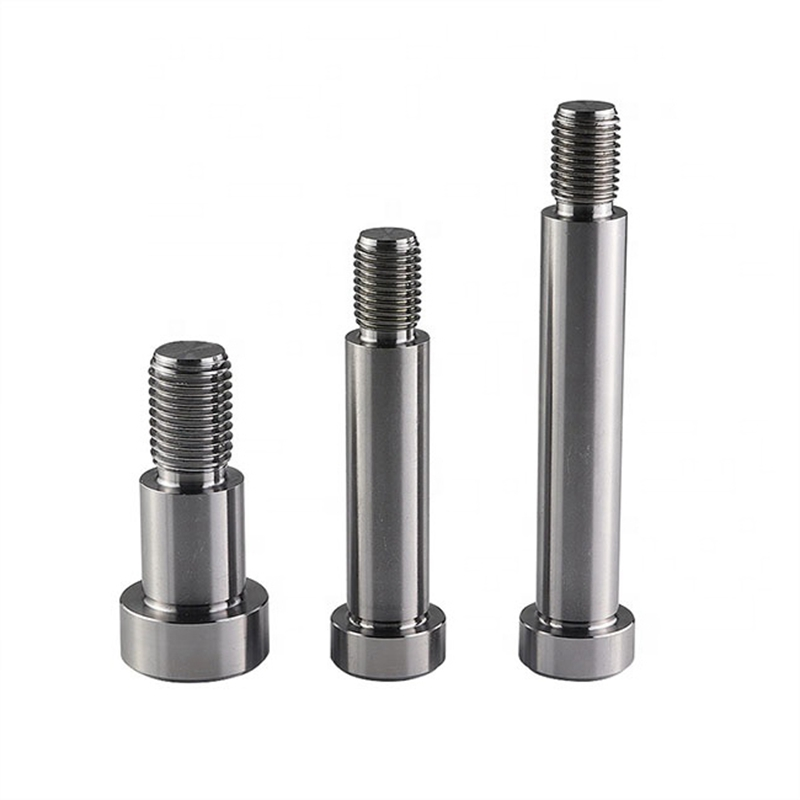
Fasteners rarely fail for only one reason. Most failures are a combination of design choices, assembly variation, environmental exposure, and maintenance practices. That is why replacing a broken bolt with the same specification does not always solve the real problem.
Understanding the dominant failure mode helps teams improve the joint instead of only reacting to the symptom.
The Most Frequent Failure Patterns
- Loosening from vibration or preload loss in dynamic assemblies.
- Thread stripping caused by weak mating material or insufficient engagement.
- Fatigue cracking from fluctuating load and poor clamp-force retention.
- Corrosion or hydrogen-related damage in aggressive environments.
Prevention Starts Before Installation
Joint reliability begins with correct material pairing, enough thread engagement, proper surface treatment, and a torque strategy that creates the intended preload. Installers also need clean threads, appropriate lubrication where specified, and tools that can control the process repeatably.
When failures still occur, teams should collect the fractured part, review the tightening method, and look at the mating components. A root-cause review that includes the full joint usually reveals more than examining the fastener alone.