
ISO, ASTM, ASME, and DIN Fastener Standards Explained
How the major fastener standards relate to dimensions, materials, testing, and purchasing clarity.
Apr 3, 2026
ISO, ASTM, ASME, and DIN Fastener Standards Explained
How the major fastener standards relate to dimensions, materials, testing, and purchasing clarity.
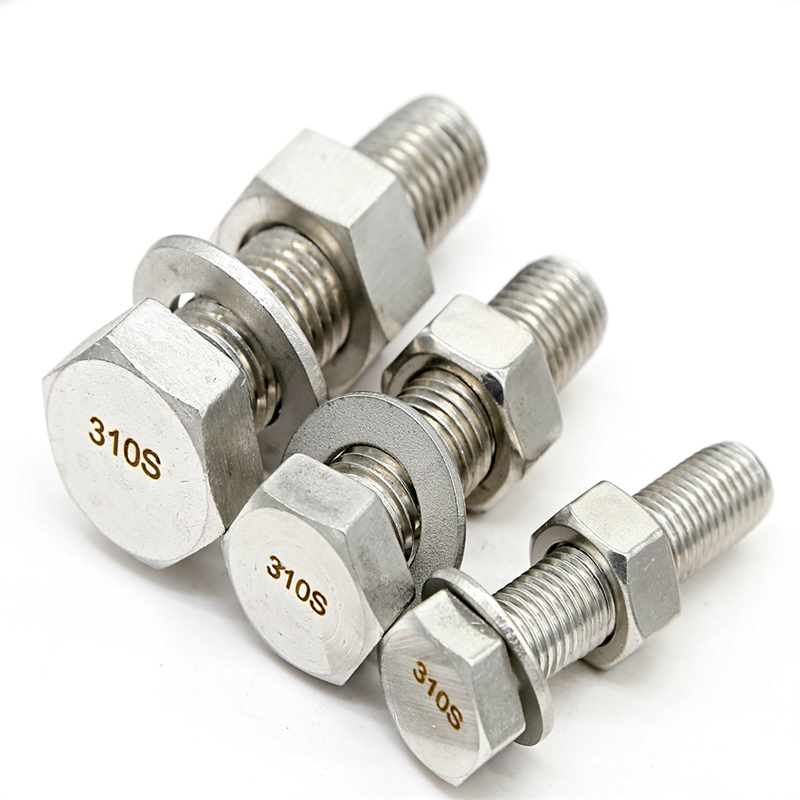
Fastener standards do not all describe the same thing. Some define dimensions, some define mechanical properties, and others focus on material chemistry, testing, or sector-specific applications. Confusion usually happens when buyers ask for only one standard number even though the part actually needs a dimensional standard plus a material or performance standard.
Understanding the role of each standard family makes communication much cleaner between design teams, distributors, and manufacturers.
What Each Standard Family Usually Covers
- ISO commonly covers international dimensions, property classes, and testing methods.
- ASME often defines inch-series dimensions and geometric requirements.
- ASTM frequently covers material grades, performance, and application-specific chemistry.
- DIN remains widely referenced for established European dimensions and legacy specifications.
How To Use Standards Correctly On A Drawing
A complete specification often combines multiple references. For example, a hex bolt may need one standard for head dimensions, another for thread form, and another for strength or heat treatment. Without that clarity, two suppliers may both claim compliance while delivering materially different products.
When substituting between standard systems, engineers should verify more than basic dimensions. Thread pitch, across-flat size, washer face details, and mechanical property assumptions can all differ. The safest approach is to review the full performance requirement, not just the headline standard number.