
How to Specify Custom Fasteners for OEM Projects
The drawings, tolerances, materials, and validation details that help OEM teams move faster on custom hardware.
Apr 16, 2026
How to Specify Custom Fasteners for OEM Projects
The drawings, tolerances, materials, and validation details that help OEM teams move faster on custom hardware.
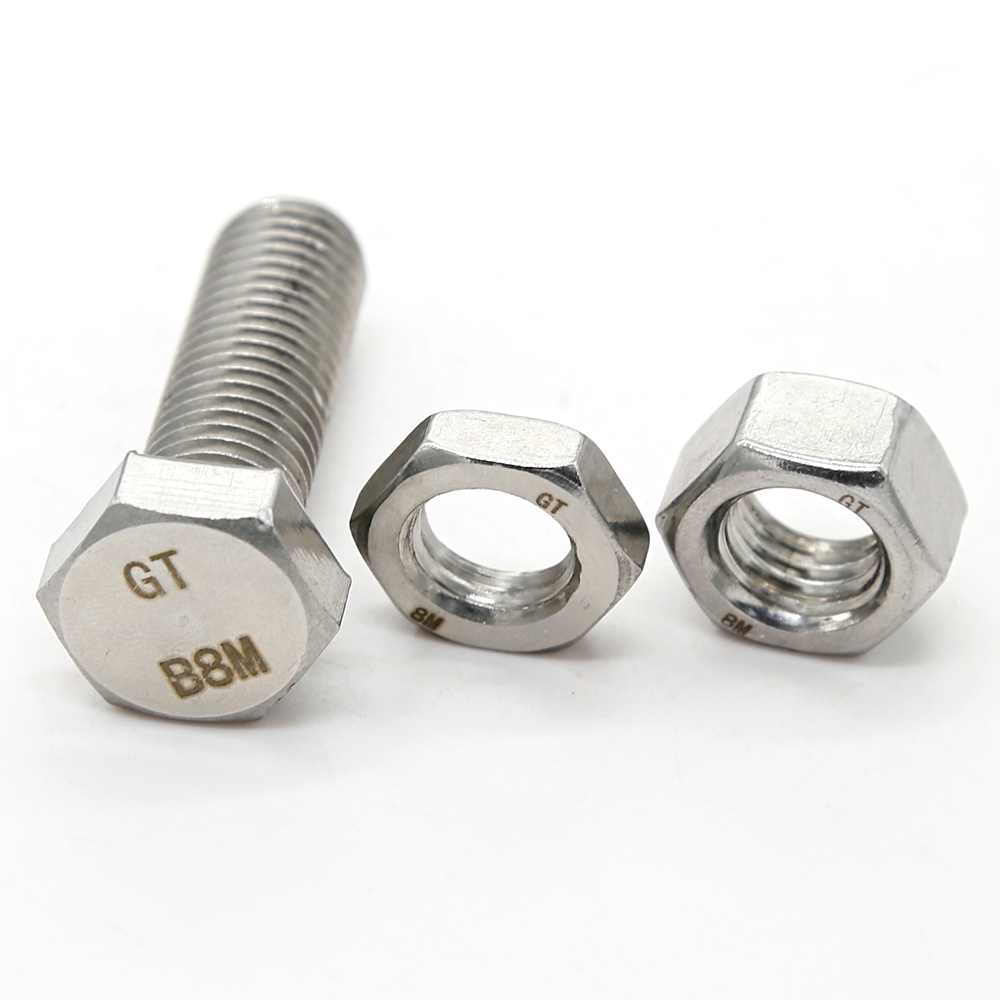
Custom fasteners are often necessary when a standard catalog part cannot meet the geometry, installation method, corrosion target, or packaging requirement of the assembly. The mistake many teams make is treating a custom fastener inquiry like a simple part-number request. In practice, the project moves faster when design intent is communicated early and clearly.
A supplier can quote more accurately and identify risks sooner when the request includes not only the drawing, but also the functional reason behind the design. Small details such as under-head fillet requirements, drive recess strength, or coating restrictions can affect tooling and validation plans.
Information That Should Be On The RFQ
- Part drawing with critical dimensions, tolerances, and datums.
- Material grade, heat treatment, hardness, and surface finish requirements.
- Target application, mating material, and expected load or environment.
- Inspection method, sample quantity, and PPAP or approval expectations.
Design For Supply, Not Only Design For Function
If the part will be made by cold forming, thread rolling, and secondary machining, the geometry should respect those process strengths. Overly sharp transitions, unnecessary deep recesses, or unrealistic tolerances can drive up cost without improving performance.
The best custom fastener programs are collaborative. Engineering, sourcing, and the manufacturer should review the drawing together before tooling release. That conversation often identifies opportunities to simplify production, reduce lead time, or improve consistency at scale.