Self-Tapping vs Self-Drilling Screws: How to Choose Correctly
These screw types are related, but they are not the same. The difference affects hole prep, installation speed, and substrate compatibility.
Oct 29, 2025
Self-Tapping vs Self-Drilling Screws: How to Choose Correctly
These screw types are related, but they are not the same. The difference affects hole prep, installation speed, and substrate compatibility.
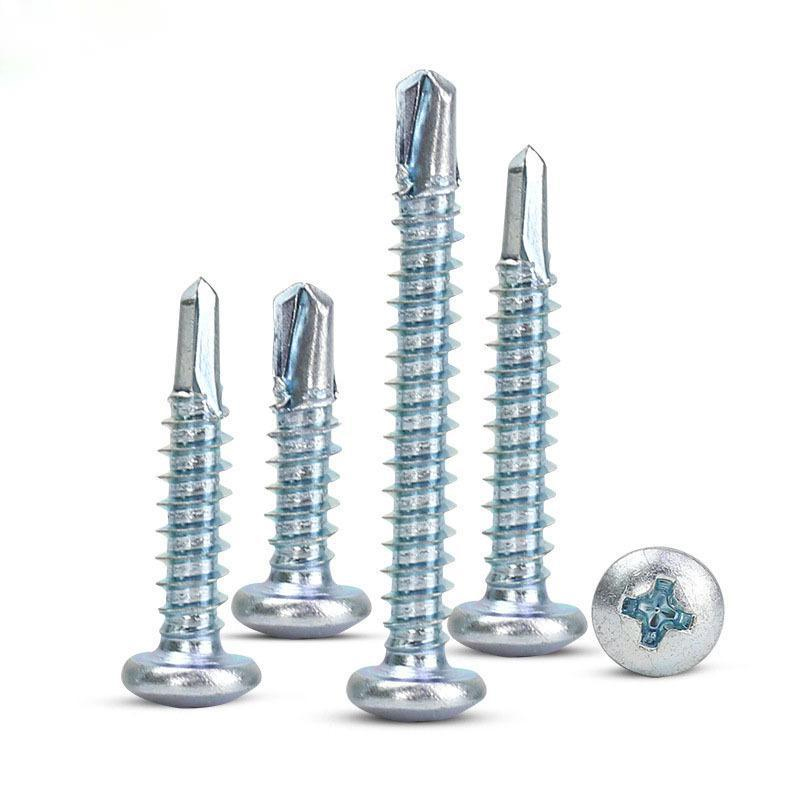
Self-tapping and self-drilling screws are often grouped together because both reduce assembly steps compared with a standard machine screw. But they solve different problems. Self-tapping screws form or cut threads as they enter the material, while self-drilling screws also include a drill-like point that creates the pilot hole during installation.
Choosing between them depends mainly on the substrate, thickness, and whether pre-drilling is acceptable in the process.
When Each Type Works Best
- Use self-tapping screws when a pilot hole is available or easy to produce.
- Use self-drilling screws when speed matters and the substrate can be drilled directly.
- Check drill-point capacity against material thickness, especially for metal-to-metal assemblies.
Do Not Overlook Coating And Head Style
The screw type is only one part of the selection. Corrosion resistance, head style, drive recess, and washer or sealing features matter just as much in roofing, cladding, HVAC, and sheet-metal work.
For consistent installation, match the screw design to the exact substrate stack-up. A screw that performs well in light-gauge steel may behave very differently in timber, aluminum, or thicker structural sections.