Bolt vs Screw: What Is the Difference and Why It Matters
The classic distinction still matters in design, purchasing, and maintenance, even if everyday language often mixes the two terms.
Aug 4, 2025
Bolt vs Screw: What Is the Difference and Why It Matters
The classic distinction still matters in design, purchasing, and maintenance, even if everyday language often mixes the two terms.
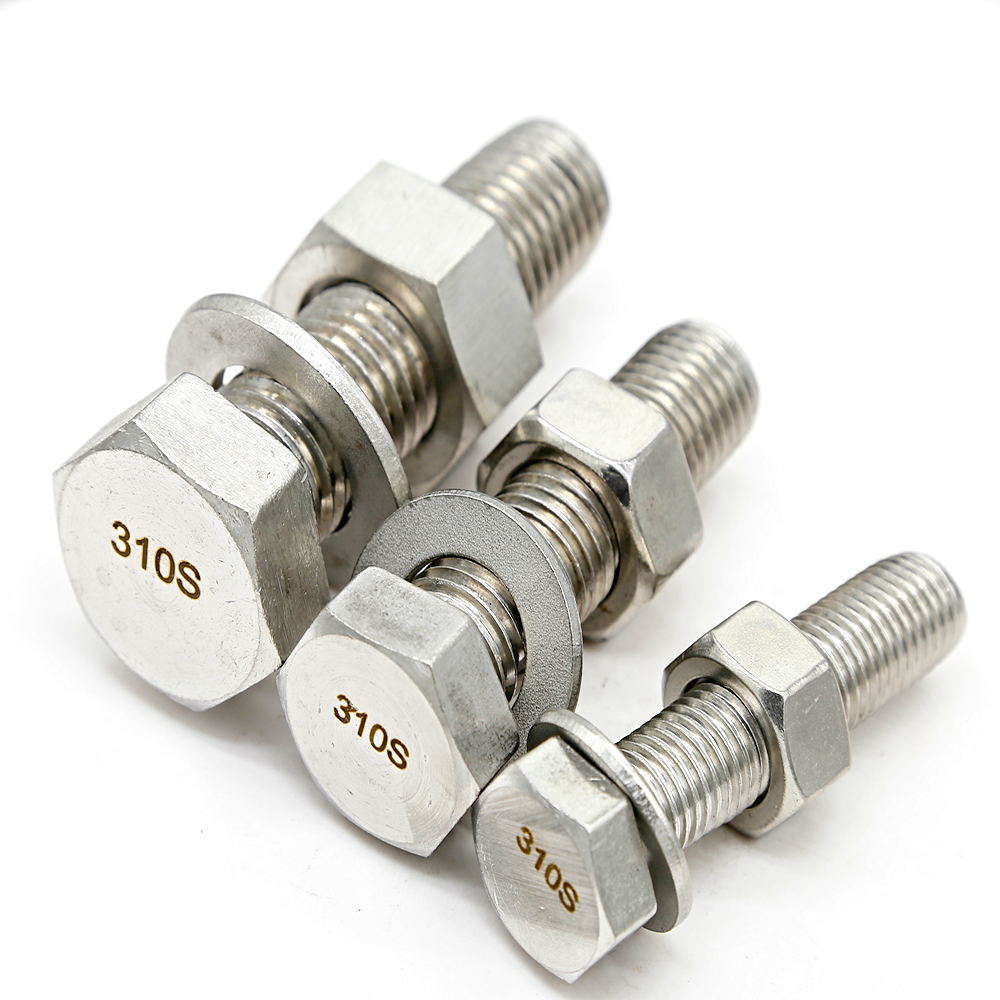
People often use the words bolt and screw interchangeably, but in technical use they usually describe different assembly methods. A bolt commonly passes through clearance holes and is tightened with a nut. A screw is more likely to engage directly with a threaded hole or form its own thread in the material.
That difference affects how the joint is designed, how the fastener is measured, and what installation tools or access are needed.
Why The Distinction Matters
- Bolted joints normally require access to both sides of the assembly.
- Screws are often chosen where space is limited or only one-side access is available.
- The loading path, replacement method, and maintenance approach can differ significantly.
Use Function, Not Vocabulary Habit
Catalog descriptions and customer language are not always perfectly consistent, so the safer practice is to confirm the actual joint function. Check whether the part works with a nut, a tapped hole, or a self-forming installation method.
Once the application is clear, the right fastener family usually becomes much easier to choose. That is more reliable than relying on naming habits alone.