
Choosing Fastener Materials: Carbon Steel, Stainless, Aluminum, and Titanium
Material choice is a balance of strength, corrosion resistance, weight, cost, and compatibility with the joined parts.
Aug 21, 2025
Choosing Fastener Materials: Carbon Steel, Stainless, Aluminum, and Titanium
Material choice is a balance of strength, corrosion resistance, weight, cost, and compatibility with the joined parts.
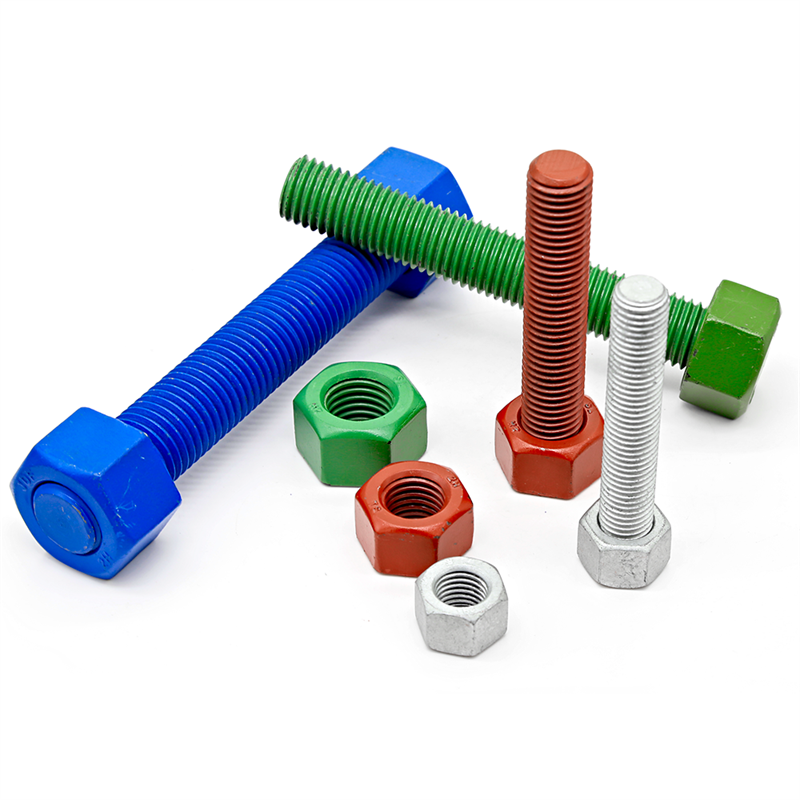
Fastener material selection is about trade-offs. Carbon steel is economical and strong for many general applications. Stainless steel adds corrosion resistance. Aluminum reduces weight, while titanium offers a high strength-to-weight ratio and excellent corrosion performance at a much higher cost.
The right choice depends on where the joint will live, how much load it must carry, and what materials it will contact in service.
How The Common Materials Compare
- Carbon steel is cost-effective and widely available, but usually needs coating for corrosion protection.
- Stainless steel suits wet or corrosive environments, though galling and strength differences must be considered.
- Aluminum is lightweight, but lower strength and thread durability may limit some uses.
- Titanium is attractive in aerospace, marine, and performance applications where weight and corrosion justify the price.
Think About The Whole Assembly
Fastener material should always be selected together with the mating material. Galvanic compatibility, hardness difference, installation method, and required maintenance interval all influence the final decision.
If the application is sensitive, validate the choice under actual environmental and loading conditions. Material tables are useful, but field conditions are what determine long-term success.