
Choosing Fasteners for Outdoor and Marine Environments
Corrosion resistance is about more than stainless steel. Coating system, crevice design, and galvanic pairing matter too.
Feb 6, 2026
Choosing Fasteners for Outdoor and Marine Environments
Corrosion resistance is about more than stainless steel. Coating system, crevice design, and galvanic pairing matter too.
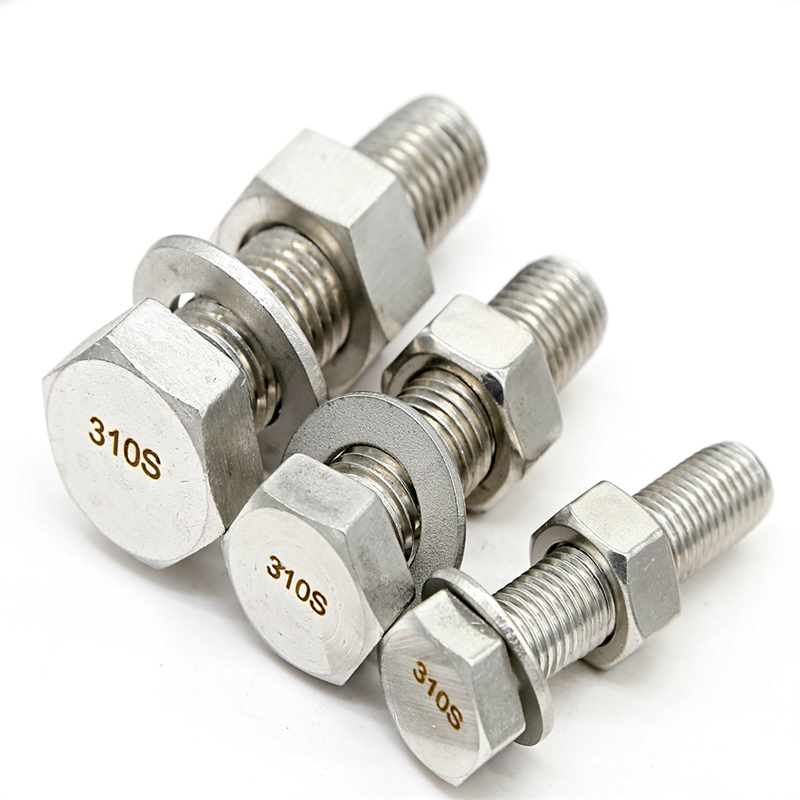
Outdoor and marine applications are demanding because moisture, salt, temperature swings, and trapped contaminants attack the joint over time. A fastener that performs well indoors may fail much sooner when exposed to chlorides, standing water, or repeated wet-dry cycles.
Selecting the right hardware means thinking about the full environment, not only the fastener material grade printed on the carton.
What To Check Before Final Selection
- Base material and coating compatibility with the connected parts.
- Risk of galvanic corrosion between dissimilar metals.
- Whether the design traps water or contaminants around the joint.
- Maintenance access for inspection, cleaning, or replacement.
The Hidden Risk Of Mixed-Metal Assemblies
A stainless fastener in an aluminum structure can still create corrosion problems if the assembly stays wet and electrically connected. In many cases, isolating washers, sealants, or revised material pairings are more important than simply upgrading the fastener grade.
For severe environments, validate the selection with real exposure expectations. Salt spray results can be useful, but the final decision should also reflect UV exposure, crevice geometry, drainage, and maintenance interval in the actual application.