
Surface Finishes for Fasteners: Zinc, Hot-Dip Galvanized, and Dacromet-Type Coatings
A selection guide for corrosion performance, fit, appearance, and friction behavior across common coating systems.
Jan 24, 2026
Surface Finishes for Fasteners: Zinc, Hot-Dip Galvanized, and Dacromet-Type Coatings
A selection guide for corrosion performance, fit, appearance, and friction behavior across common coating systems.
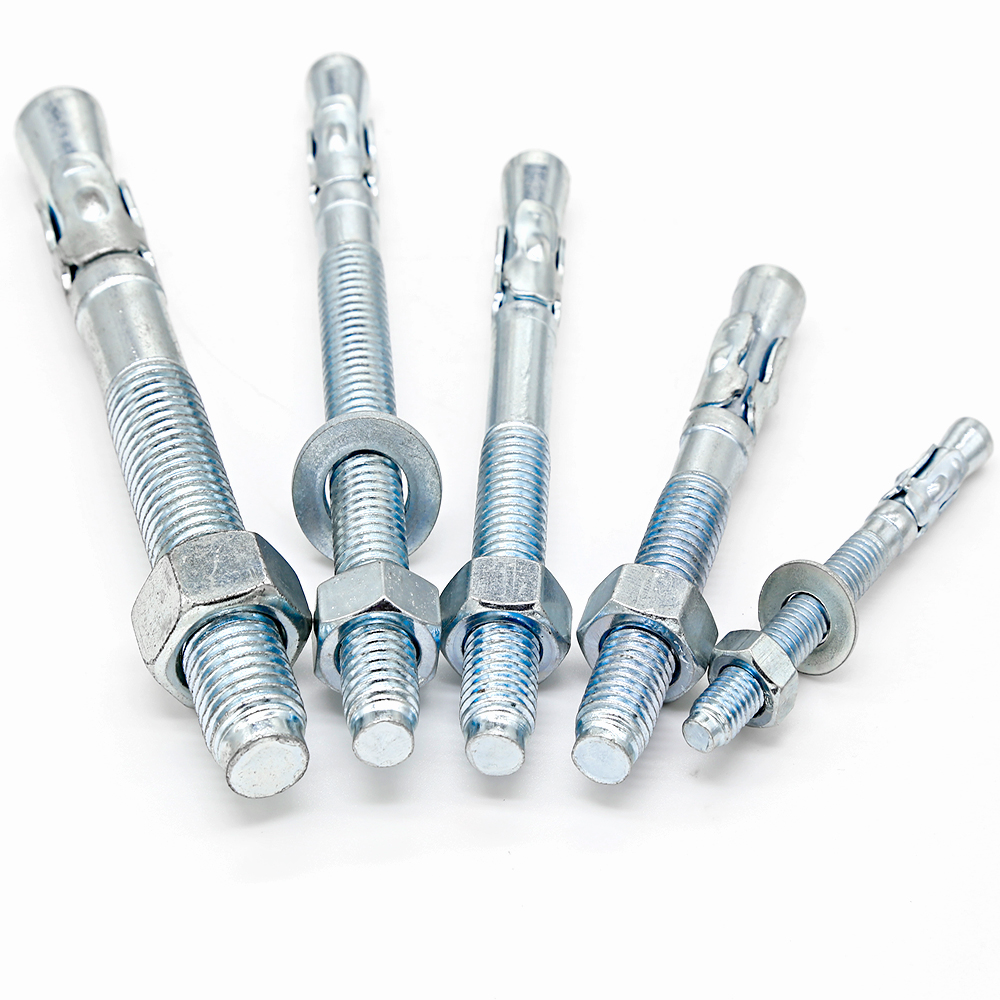
Surface finish changes how a fastener performs long after it leaves the factory. Corrosion resistance is the main reason coatings are specified, but finish also affects friction, appearance, dimensional fit, and rework options. That is why the right coating depends on both environment and assembly method.
Design teams sometimes choose a finish by habit. A better approach is to start from service life targets, mating-part compatibility, and torque-control needs.
How The Common Options Differ
- Electro-zinc is economical and clean-looking, but usually suits moderate indoor or sheltered use.
- Hot-dip galvanizing provides thicker sacrificial protection for outdoor steel structures, though it changes dimensions and thread fit.
- Dacromet-type and similar flake coatings can offer strong corrosion performance with controlled thickness and friction behavior.
Do Not Ignore Assembly Friction
A coating can improve corrosion resistance while also changing the torque-tension relationship. If a finish is paired with a topcoat or lubricant, the installer may need a revised torque window to achieve the target preload safely.
For structural or sealed joints, it is wise to evaluate coating choice as part of the entire fastener system, including washer surface, lubrication policy, and required reusability.