
Full Thread vs Partial Thread Bolts: Which One Should You Use?
The decision affects grip length, shear behavior, adjustment flexibility, and how the load moves through the joint.
Sep 23, 2025
Full Thread vs Partial Thread Bolts: Which One Should You Use?
The decision affects grip length, shear behavior, adjustment flexibility, and how the load moves through the joint.
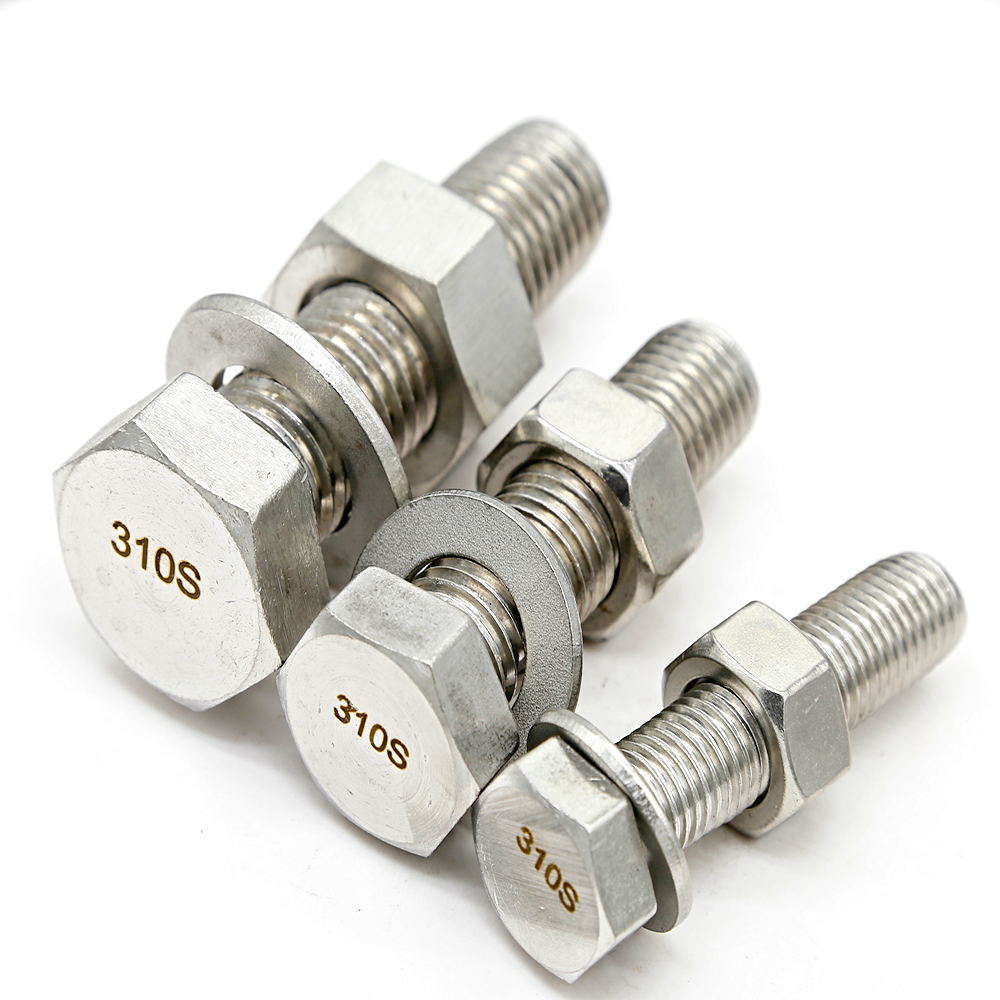
A full-thread bolt gives you maximum engagement flexibility, which is helpful when grip thickness varies or full adjustment along the shank is needed. A partial-thread bolt leaves an unthreaded shank that can improve alignment and place the shear plane away from the thread root in some joint designs.
Neither option is universally better. The best choice depends on how the joint carries load and how the assembly is installed.
Why Partial Thread Can Be Valuable
- The smooth shank can support alignment in clearance holes.
- Designers may prefer to keep the shear plane off the threaded section.
- Thread-free grip length can reduce wear where parts move slightly during service.
Why Full Thread Is Often Preferred
Full-thread bolts simplify stocking and give more flexibility across different grip lengths. They can be especially useful in tapped joints, thin stack-ups, or assemblies where the exact clamped thickness changes from one installation to another.
The decision should be based on the actual joint design, not on habit alone. If shear, fatigue, or alignment is critical, review the load path and validate the choice directly.