
Torque Basics for Bolted Joints: How Tight Is Tight Enough?
A practical explanation of torque, preload, friction, and why one torque value does not fit every installation condition.
Dec 18, 2025
Torque Basics for Bolted Joints: How Tight Is Tight Enough?
A practical explanation of torque, preload, friction, and why one torque value does not fit every installation condition.
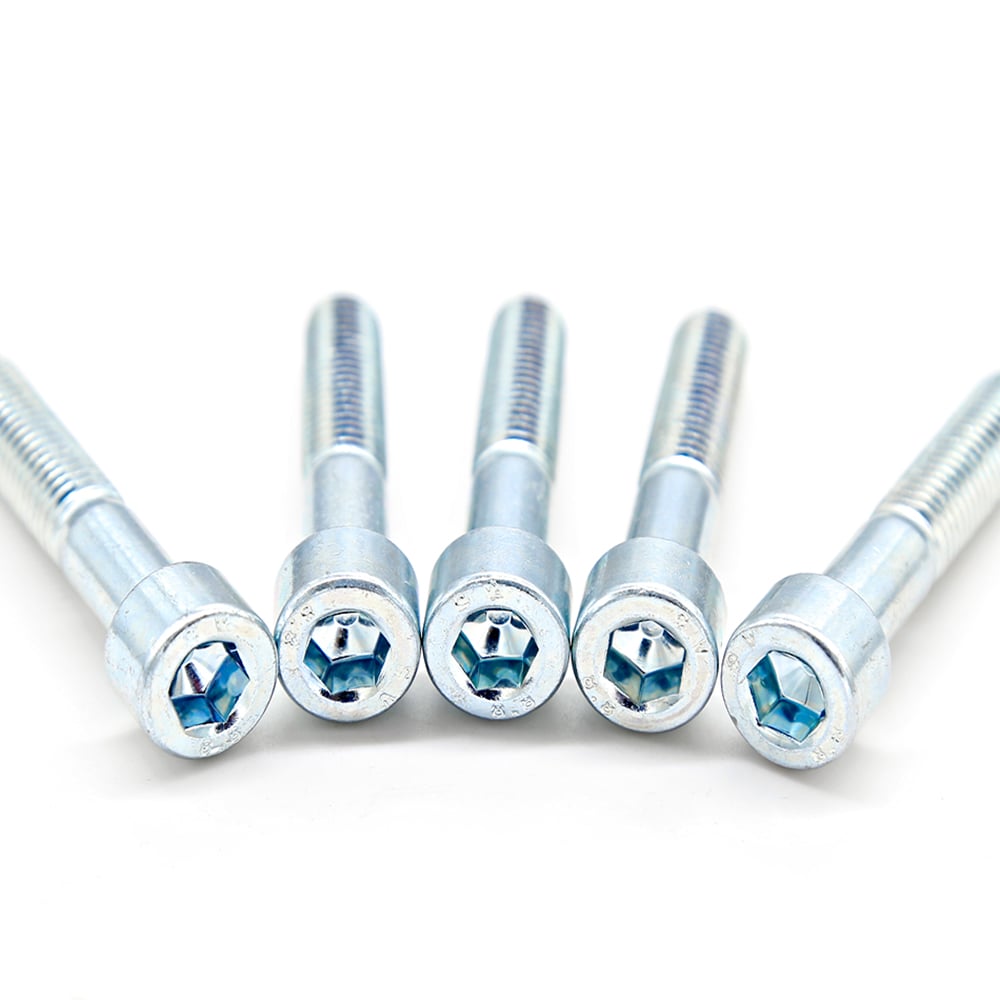
Torque is one of the most common assembly controls in fastening, but it is only an indirect way to create clamp load. What actually keeps a bolted joint secure is preload: the stretching force in the fastener that compresses the connected parts together.
The challenge is that much of the applied torque is consumed by friction in the threads and under the head or nut. If friction changes because of lubrication, plating, surface finish, or washer choice, the same torque can produce a very different clamp load.
Why Torque Tables Need Context
Published torque charts are useful starting points, but they are not universal truth. They usually assume a certain thread condition, strength class, and friction range. If your joint differs, the actual preload may drift away from the intended target.
- Dry and lubricated threads cannot safely share the same torque value.
- Soft joint materials can settle after tightening and reduce retained preload.
- Multi-bolt patterns often require staged tightening for even clamp distribution.
Good Installation Habits
Use calibrated tools, define whether threads are dry or lubricated, and tighten in a controlled sequence when the joint geometry requires it. For critical assemblies, verify the torque-preload relationship with testing instead of assuming a catalog chart is enough.
A torque process becomes much more reliable when it is treated as a system variable rather than a number copied into a work instruction without context.