
Preventing Galling in Stainless Steel Fasteners
Why stainless threads seize, and the installation practices that dramatically reduce the risk.
Jan 10, 2026
Preventing Galling in Stainless Steel Fasteners
Why stainless threads seize, and the installation practices that dramatically reduce the risk.
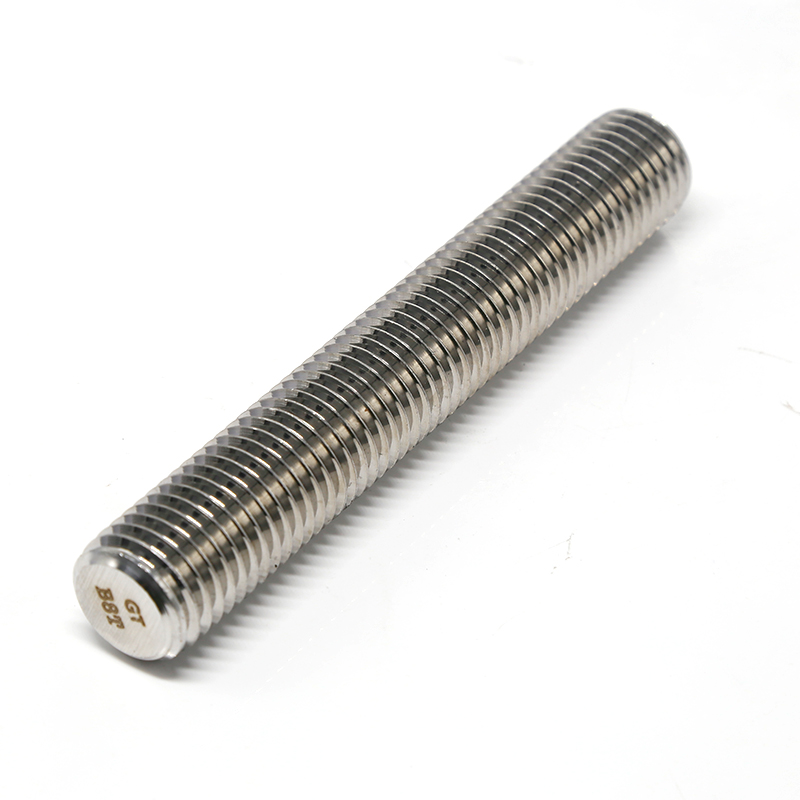
Galling is a form of adhesive wear where thread surfaces tear, transfer material, and seize during tightening. It is especially common in stainless steel because the material naturally forms a protective oxide film that can break down under pressure and friction, exposing fresh metal that bonds locally.
Once galling starts, torque rises sharply and the fastener may lock before the desired clamp load is reached. In production, that means scrap, delays, and sometimes damaged mating parts.
The Main Causes
- High tightening speed and excessive frictional heat.
- Dry stainless-on-stainless contact with no anti-seize strategy.
- Poor thread quality, contamination, or misalignment at assembly.
How To Reduce Risk In Practice
The simplest controls are slowing the installation speed, keeping threads clean, and using a suitable lubricant or anti-seize compound approved for the application. Matching thread quality and avoiding unnecessary reuse also help.
Where galling is a recurring field issue, the solution may be to change the material pairing or coating system rather than telling installers to tighten more carefully. Process discipline matters, but design decisions matter just as much.